
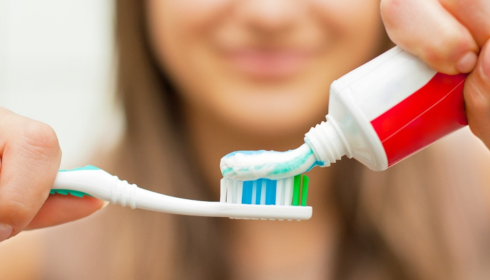


Desensitising toothpastes are marketed as quick fixes for sensitive teeth, and for many people, they do help. They usually work by blocking tiny channels in exposed dentin or by supporting enamel remineralisation, reducing the sharp pain from cold, sweet or touch over time.
They’re not instant, though. It often takes a few weeks of consistent use – brushing twice daily and sometimes applying a small amount directly on sensitive spots – to notice clear improvement. If you stop using them, sensitivity can gradually return.
They are most suitable when sensitivity is general and mild to moderate, often due to gum recession, enamel wear or minor erosion. But they are not a cure-all. If you have sudden, severe sensitivity in one specific tooth, or pain that lingers, throbs, or wakes you at night, a toothpaste alone isn’t enough.
Underlying problems like cavities, cracked teeth, leaking fillings or advanced gum disease need proper treatment. Using desensitising paste in those cases may mask symptoms while the condition quietly worsens.
So yes, these toothpastes can be a useful part of your routine. Just remember: they’re tools, not magic, and ongoing or intense pain deserves a dentist’s eyes, not only a new tube from the shelf.