
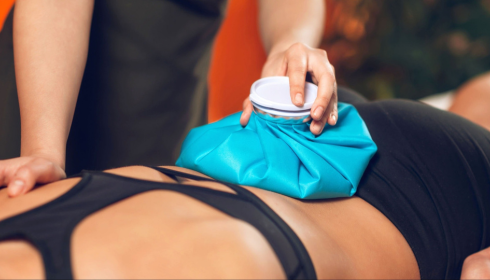


Ice packs and hot water bags are common in homes, but many people are unsure when to use which. A simple rule of thumb helps: cold is generally for fresh injuries, heat is for long-term stiffness and tightness.
If you’ve just twisted your ankle, banged your knee or strained a muscle within the last 24–48 hours and there’s swelling, cold packs can help. They reduce blood flow to the area temporarily, bringing down swelling and numbing pain. Always wrap ice in a cloth; don’t place it directly on the skin, and limit to about 15–20 minutes at a time.
For chronic aches, like long-standing lower back tightness or neck stiffness from bad posture, heat often feels better. Warmth increases blood flow, relaxes muscles, and can make movement more comfortable. Again, use a cloth barrier and avoid very high temperatures to prevent burns.
There are grey zones. Some conditions respond to a combination – for example, gentle movement, then heat, or cold after activity. If in doubt, or if pain is severe, radiating, or linked to a bigger problem, ask a healthcare professional.
Neither pack fixes the root cause alone, but used correctly, they’re good tools for managing discomfort while you address underlying issues.