
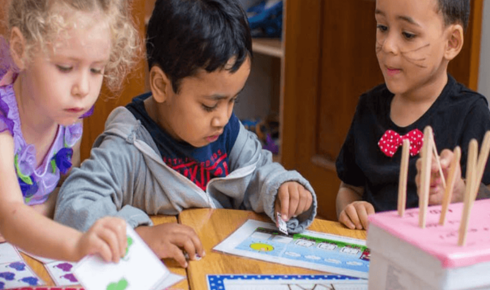


Choosing the right Seattle childcare and preschool is a pivotal decision that shapes a child’s early development, social skills, and long-term success. Early experiences in structured learning environments can foster curiosity, creativity, emotional intelligence, and resilience. Families are increasingly prioritizing programs that balance safety, engaging curricula, and nurturing educators. A well-chosen preschool or childcare program not only prepares children for academic milestones but also encourages confidence, independence, and lifelong learning habits.
This comprehensive guide explores the key factors families should consider, the benefits of high-quality early education, current trends, and actionable strategies to select the ideal Seattle childcare and preschool.
Understanding the Seattle Childcare and Preschool Landscape
Seattle offers a diverse range of childcare and preschool programs catering to varying educational philosophies and family needs. Parents can choose programs based on learning approaches, schedules, and enrichment opportunities.
- Montessori Programs: Promote self-directed learning, independence, and hands-on exploration. Children choose activities that interest them while educators guide development.
- Play-Based Preschools: Focus on learning through structured play, enhancing social skills, creativity, and problem-solving.
- Academic-Focused Preschools: Introduce early literacy, math, and science skills in a structured environment to prepare children for kindergarten.
- Specialized Programs: Offer bilingual education, arts, STEM, or nature-based curricula to meet specific developmental or family goals.
Visiting multiple programs, observing classrooms, and understanding teaching philosophies help families make informed decisions aligned with their child’s personality and needs.
Key Features to Look for in a Seattle Childcare and Preschool
Choosing the right childcare or preschool requires evaluating multiple aspects that contribute to holistic development.
Experienced and Certified Educators
Qualified educators ensure children receive proper guidance tailored to their developmental stage. Teachers trained in early childhood education understand emotional, social, and cognitive development milestones. Personalized attention fosters curiosity, confidence, and effective learning habits.
Safe and Stimulating Environment
Safety is essential. Seattle childcare centers should comply with state regulations, maintain clean facilities, and provide age-appropriate learning spaces. A stimulating environment encourages exploration while offering secure play areas, sensory activities, and interactive learning tools.
Low Student-to-Teacher Ratios
Smaller classes allow individualized attention, enabling educators to nurture strengths, identify challenges, and respond to emotional needs. This ratio also improves social skill development as children receive consistent guidance during group activities.
Enrichment Programs and Play-Based Learning
High-quality preschools integrate art, music, STEM projects, and outdoor exploration. Play-based learning encourages problem-solving, teamwork, and imagination while creating a joyful and engaging experience for children.
Nutrition and Structured Daily Routines
Balanced meals support physical health and cognitive function. Predictable schedules help children manage transitions, develop self-discipline, and feel secure. Daily routines with structured learning, play, and rest periods contribute to well-rounded growth.
Benefits of High-Quality Early Education in Seattle
Investing in a reputable Seattle childcare and preschool program offers significant benefits that extend into elementary school and beyond.
- Academic Preparedness: Exposure to literacy, numeracy, and early science encourages cognitive growth and readiness for formal schooling.
- Social-Emotional Development: Children learn empathy, communication, conflict resolution, and teamwork through guided interactions.
- Emotional Resilience: Supportive environments teach children coping strategies, independence, and confidence in new situations.
- Creativity and Critical Thinking: Hands-on activities foster innovation, problem-solving, and curiosity-driven learning.
- Family Support and Community: Programs provide guidance for parents, offer workshops, and create social connections among families.
Research shows children attending high-quality early education programs demonstrate stronger academic performance, social skills, and overall well-being later in life.
Practical Tips for Selecting the Best Seattle Childcare and Preschool
Families can follow these actionable strategies to identify programs that fit their needs:
- Visit Multiple Programs: Observe classrooms, teacher interactions, and student engagement.
- Ask In-Depth Questions: Inquire about teaching philosophies, curriculum details, and staff qualifications.
- Verify Licensing and Accreditation: Ensure programs meet Washington State childcare standards and industry certifications.
- Observe Children’s Engagement: Happy, enthusiastic children reflect positive learning experiences.
- Assess Compatibility: Choose a program aligned with a child’s learning style, temperament, and family values.
Supporting Learning Beyond the Classroom
Learning extends beyond the preschool walls. Families can reinforce development at home with simple strategies:
- Read together daily to build literacy skills and imagination.
- Encourage creative play using building blocks, art, and role-playing activities.
- Integrate learning into routines, such as counting during grocery trips or sorting laundry by colors.
- Organize playdates or group activities to enhance social skills and cooperative behavior.
Active engagement strengthens parent-child bonds and reinforces lessons learned in the classroom.
Trends Shaping Seattle Childcare and Preschool in 2026
As early education evolves, families should be aware of emerging trends in Seattle preschools:
- Technology-Enhanced Learning: Interactive tools for literacy, numeracy, and coding skills complement traditional teaching.
- Outdoor and Nature-Based Education: Activities that encourage exploration, physical activity, and environmental awareness.
- Mindfulness and Emotional Learning: Programs teach stress management, empathy, and self-regulation techniques.
- Inclusive Education: Adapted programs for children with diverse learning needs, languages, and cultural backgrounds.
- Flexible Schedules and Support Services: Options for working families include part-time, full-day, or extended care programs.
Understanding these trends helps parents choose programs that prepare children for a dynamic, modern learning environment.
Essential Questions to Ask Before Enrollment
To ensure a program meets expectations, consider asking:
- What is the student-to-teacher ratio?
- How does the curriculum integrate academic, social, and emotional learning?
- Are meals and snacks provided, and do they meet nutritional guidelines?
- How are behavioral challenges handled?
- What opportunities exist for family involvement or regular progress updates?
- How is technology used in daily learning?
- Are outdoor and creative play activities part of the daily schedule?
Answers reveal the quality, transparency, and philosophy of the preschool, helping families make confident choices.
Preparing Children for a Smooth Preschool Transition
Starting preschool can be a big adjustment. Families can support children by:
- Visiting the classroom before enrollment to build familiarity.
- Establishing routines similar to school schedules at home.
- Talking positively about school to create excitement and reduce anxiety.
- Encouraging independence in tasks like dressing, tidying up, or self-feeding.
- Practicing social skills, such as sharing, taking turns, and greeting peers.
A thoughtful preparation process increases comfort, confidence, and readiness for learning.
Long-Term Impact of Quality Seattle Childcare and Preschool
The benefits of early education extend far beyond preschool years. Children who attend high-quality programs often:
- Adjust better socially and emotionally in elementary school.
- Exhibit higher academic achievement and motivation to learn.
- Develop stronger communication and collaboration skills.
- Show increased creativity, critical thinking, and problem-solving abilities.
Families investing in quality childcare and preschool programs lay the foundation for well-rounded, confident, and capable individuals.
Making the Most of the Preschool Experience
Families can maximize the preschool experience by:
- Actively communicating with teachers about milestones and goals.
- Participating in school events and workshops.
- Reinforcing learning at home through fun, educational activities.
- Encouraging curiosity and self-expression in daily life.
- Recognizing and celebrating achievements, both big and small.
Proactive engagement ensures children gain the full benefits of early education and strengthens family-school partnerships.
Conclusion
Selecting a Seattle childcare and preschool program is a decision with lasting implications for a child’s growth, development, and future success. High-quality programs provide safe, stimulating environments, experienced educators, enriching curricula, and supportive family engagement. Prioritizing these factors ensures children thrive academically, socially, and emotionally. Families who invest the time to research, visit, and evaluate programs create a strong foundation for lifelong learning, confidence, and happiness. Choosing the right preschool today, such as Lil People World, sets children on a path toward bright futures filled with curiosity, creativity, and resilience.