
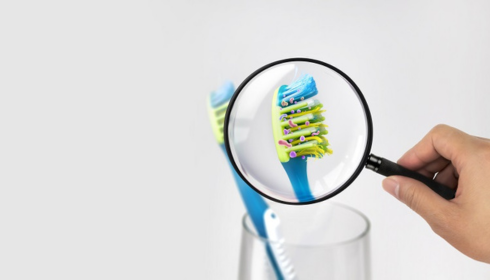


Sharing is caring – but not when it comes to toothbrushes. Your mouth is home to its own mix of bacteria and viruses. When you share a toothbrush, you also share that entire ecosystem, including potential germs that cause decay, gum disease or infections like cold sores.
Toothbrush bristles pick up blood and saliva, especially if your gums bleed. Even rinsing with water doesn’t fully remove microscopic material. Using someone else’s brush, even “just this one time”, increases the chance of passing on infections. For people with weaker immune systems, this is especially important.
Toothpaste tubes can also be a small source of cross-contamination if everyone presses the brush directly onto the opening. It’s not as risky as sharing brushes, but it’s still better to squeeze paste onto a clean finger or from a distance so bristles don’t touch the nozzle.
Everyone in the household should have their own clearly identified toothbrush and, ideally, a cover or holder that allows the head to air dry upright. Don’t store multiple brushes touching each other in a damp cup.
These are tiny habits, but over years they add up. Protecting your mouth means protecting your tools too. Toothbrushes aren’t expensive; there’s no good reason to share.